Behind Barbour

British heritage between wax jacket and modern wardrobe

Barbour represents British heritage fashion like few other brands. The company is best known for its waxed jackets, but its brand world today extends far beyond that: quilted jackets, fleece, knitwear, coats, shoes, and accessories translate its characteristic design language into various areas of the wardrobe. Typical of Barbour are functional details, understated colors, and materials that reflect their origins in outdoor and country wear. Models such as the Bedale and Beaufort continue to form the historical foundation, while more versatile collection pieces show how Barbour can also be combined beyond classic country looks.

Discover Barbour

Function as origin

From South Shields to the Barbour wax jacket

The history of J. Barbour & Sons began in 1894 in South Shields, North East England. There, John Barbour developed weatherproof clothing for people working in demanding outdoor conditions. Waxed cotton became the defining feature of the brand: to this day, the material forms the basis of many well-known Barbour wax jackets.
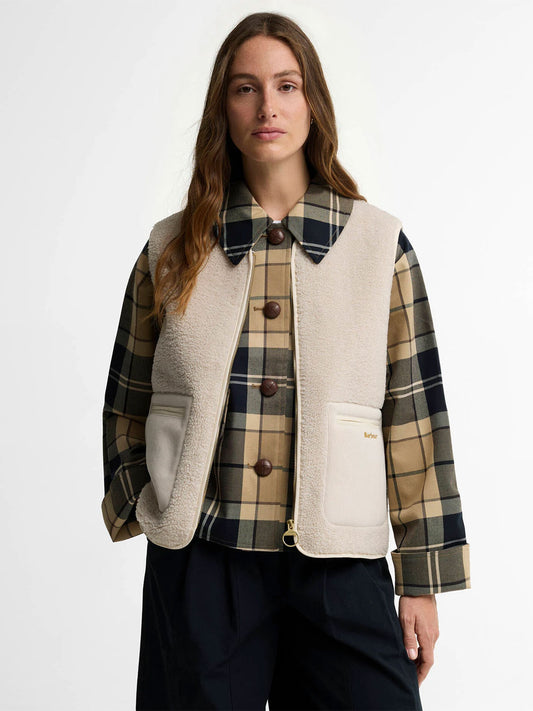
Models such as the Bedale, Beaufort, and Border are among the brand’s most recognizable designs. Corduroy collars, patch pockets, robust fasteners, and muted tones reflect their functional origins. At the same time, Barbour has long since moved beyond waxed cotton. Quilted fabrics, fleece, wool, and knitwear have expanded the repertoire of materials, translating the brand's British-influenced identity into a diverse range of product categories.

to the Barbour collection

More than country wear

This is how Barbour can be classified today

Barbour is not aimed exclusively at lovers of traditional outdoor or country wear. While the classic wax jacket remains a core component of the brand, quilted jackets, fleece, and knitwear offer diverse options for transitional weather and layering. Longer coats complement the selection for cooler temperatures.

What is decisive is less a single look than a shared design language. Muted colors, functional details, and British-inspired silhouettes run through many areas of the collection. As a result, individual Barbour pieces can also be integrated into a restrained, urban wardrobe. Footwear as well as accessories such as hats, scarves, and backpacks further extend this aesthetic to products beyond classic jackets.

Barbour at loui.rocks

Fit & Care

What is important for Barbour wax jackets and other styles

With Barbour, the right size depends on the specific model. Traditional wax jackets can have a more generous cut, while other jackets, knitwear, or newer silhouettes may have a slimmer fit. It is therefore advisable to consult the model-specific sizing information and consider whether you intend to wear additional knitwear or fleece underneath a jacket.

Care also depends on the material. A Barbour wax jacket should not be treated like an ordinary jacket, as its wax coating is responsible for the material's characteristic properties. Waxed cotton can be re-waxed if necessary. For quilted jackets, fleece, knitwear, coats, and accessories, however, the respective product care instructions apply. Different materials require correspondingly different methods of cleaning, drying, and storage.

Barbour

Barbour

Discover Barbour at loui.rocks: jackets, rubber boots, and accessories featuring corduroy details,...

Which Barbour jacket suits which style?

Choosing within the Barbour collection depends primarily on the function and silhouette you are looking for. Classic wax jackets like the Bedale or Beaufort are closely linked to the brand's heritage and feature typical details such as corduroy collars, large pockets, and waxed cotton. They are particularly suitable for looks where this traditional character should remain visible.
Quilted jackets often appear lighter by comparison and can be easily integrated into everyday outfits. Fleece and knitwear serve as additional layers, expanding Barbour with styles that do not focus on the classic waxed look. Coats, in turn, apply this understated aesthetic to longer silhouettes.
Barbour is therefore defined less by a single jacket than by a shared design philosophy: functionally driven, British-rooted, and consciously understated.

1 of 3

Heritage that can be passed on

The special appeal of Barbour lies in the combination of a clearly recognizable origin and versatile utility. Those looking for the brand’s traditional character will find it primarily in its classic wax jackets. Quilting, knitwear, fleece, and accessories, on the other hand, offer a more subtle introduction to the Barbour aesthetic. Therefore, the key is not to adopt a complete heritage look, but to select the right piece for one's own wardrobe.

Frequently Asked Questions regarding Barbour

What distinguishes Barbour?

Barbour is particularly well-known for British-inspired outdoor and heritage fashion. Characteristic features include waxed jackets, functional details, muted colors, and materials and silhouettes rooted in traditional countrywear.

Where does Barbour come from?

J. Barbour & Sons was founded in 1894 in South Shields, North East England. The brand started out by providing weatherproof clothing for people working in demanding outdoor conditions.

Which Barbour wax jackets are particularly well-known?

Known classic models include the Bedale, Beaufort, and Border. They differ in fit, length, and details, among other things.

How does Barbour fit?

The fit varies depending on the model. Classic wax jackets may be cut more generously, while other jackets and collection pieces may have a more tailored fit. Therefore, the specifications for each model should be taken into account.

How do you care for a Barbour wax jacket?

A waxed jacket requires different care than ordinary textile jackets. The waxed cotton should be treated according to the product-specific care instructions and re-waxed if necessary.